

Every education provider shares safeguarding responsibility.
But you're not the only organisation shaping it.
Whether you operate one nursery, one school or a national group, every contractor, engineer and operational partner working within your environment influences the conditions in which safeguarding takes place.
The Safeguarding Interface helps education leaders recognise that responsibility, set clear expectations and strengthen the way external organisations operate within their environments.
The Hidden Gap
Education Providers
Safeguarding responsibility sits with you.
Contractors & FM
Operational decisions sit with you.
The Safeguarding Interface
Safeguarding outcomes are shaped between the two.
Most safeguarding controls focus on people.
The Safeguarding Interface focuses on the operational decisions that shape safeguarding outcomes.
Choose Your Perspective
Insights


Guided by independent expertise
The Safeguarding Interface Advisory Board provides independent challenge, governance insight and sector expertise to support the development of TSI and SIAA.
The Board exists to strengthen thinking, test assumptions and provide external perspective. It does not assess organisations, influence accreditation decisions or participate in commercial activity.
Meet The Advisory Board

Dane Hardie
Founder & Managing Director,
Litus Advisory
Early Years Leadership • Commercial Strategy • Governance

Keri Standen
Founder & Safeguarding Consultant, Greengate and Consultancy Services
Safeguarding Leadership • Governance • Culture

Nathan Lees
Founder & Director,
Lees & Hendry
Contractor Operations • Service Delivery • Operational Risk
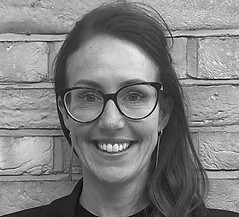
Lucy Lewin
Founder of The Profitable Nursery Academy & The Nursery Toolbox
Early Years Leadership • Business Sustainability • Operational Systems
Start with understanding
Most organisations don't begin with accreditation.They begin by understanding whether safeguarding interface exposure exists within their operating model.
Education Providers
Contractors & FM
Governance & Procurement